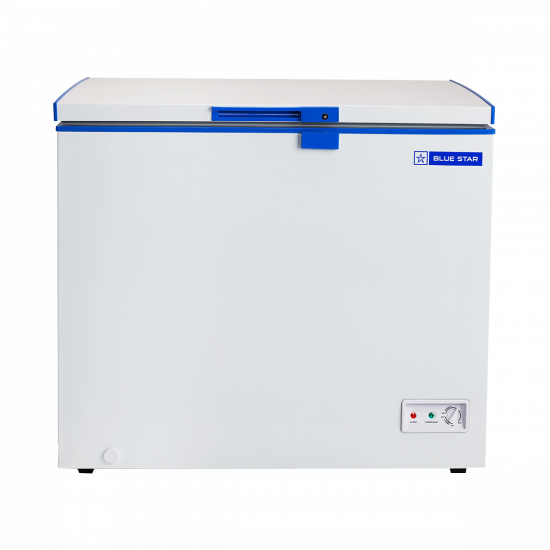
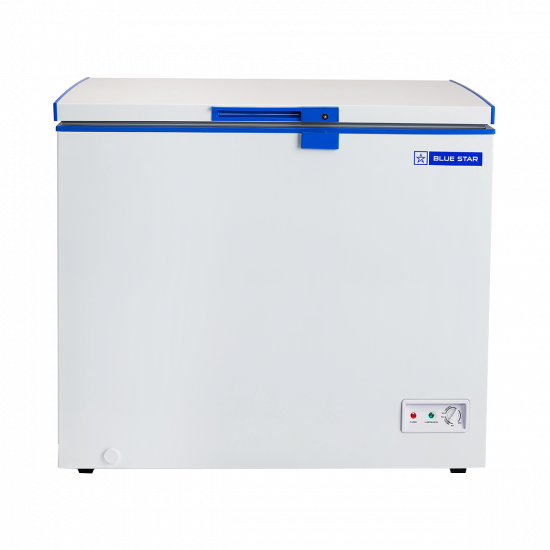
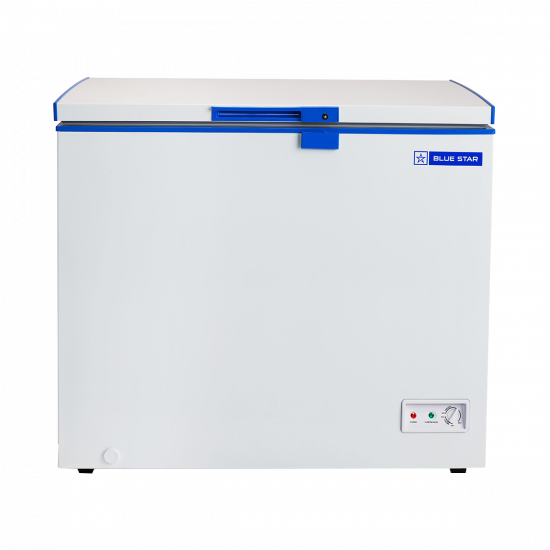
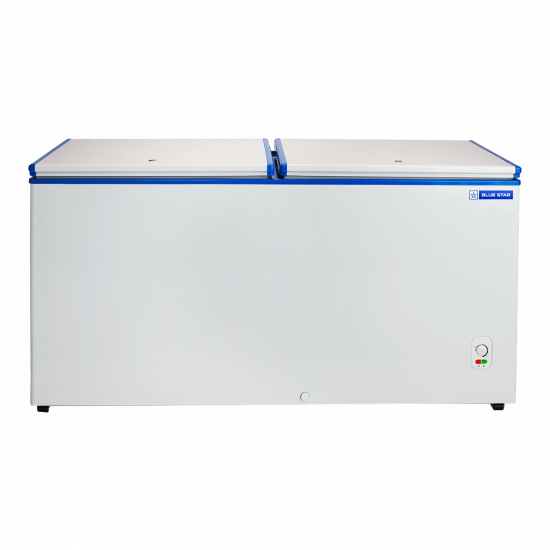
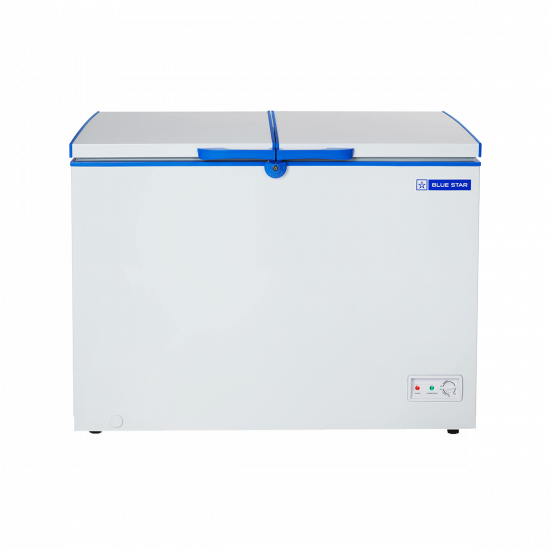
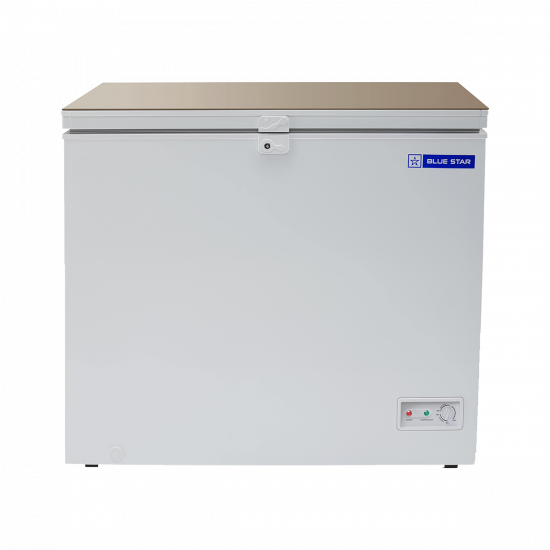
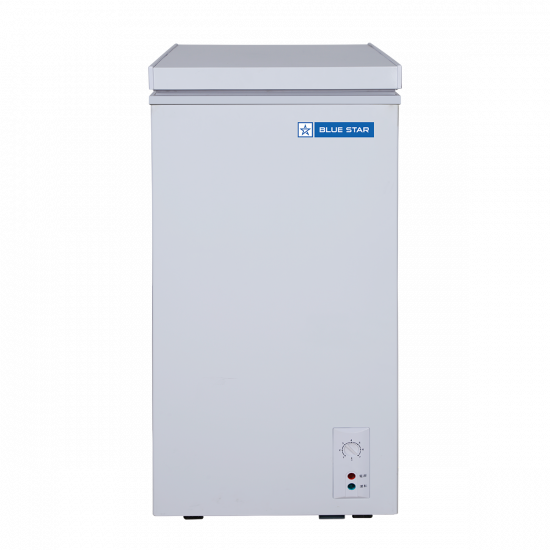
Deep Freezer & Latest Deep Freezer Price in India (Latest August-2025)
Small Deep Freezer Price In India
Discover the best deals on a deep freezer at the lowest deep freezer price for your home or business needs. Whether you’re searching for a reliable deep fridge to store frozen foods or need a spacious deep freezer for bulk storage, you’ll find a variety of options to suit your requirements.
Why Choose a Deep Freezer?
- Maximum Storage: Deep freezers offer ample space for storing large quantities of food, making them ideal for families and businesses.
- Energy Efficiency: Modern deep fridges are designed to consume less power while maintaining optimal freezing temperatures.
- Affordable Prices: Find deep freezers at the lowest deep freezer price without compromising on quality or performance.
Features to Look For
- Adjustable temperature controls for precise cooling.
- Spacious interiors to accommodate bulk storage needs.
- Durable build for long-lasting performance.
Shop Deep Freezers Today
Upgrade your kitchen or storage area with a deep freezer at the lowest deep freezer price and enjoy the convenience of a high-capacity deep fridge for all your frozen food needs.
Deep freezers and deep fridges are essential appliances for both homes and businesses in India, offering reliable long-term storage for frozen foods. Prices vary based on brand, capacity, and features.
Real-World Price Fluctuations and Negotiation Tactics
Expand on how deep freezer prices can vary due to seasonality, location, and retailer promotions. Offer actionable tips for readers to time their purchases for maximum savings—such as buying during festival sales, end-of-season clearances, or leveraging cashback offers. Suggest practical negotiation strategies when dealing with offline retailers, like asking for special discounts when buying multiple units for business use. Including a brief checklist or a “best time to buy” calendar can empower price-sensitive buyers to make smarter decisions. This goes beyond what competitors offer, who typically only mention comparing prices online.
Total Cost of Ownership (TCO) Calculator or Example Scenario
Enhance your coverage by providing a simple breakdown or example scenario that illustrates how a higher upfront cost for an energy-efficient deep freezer can be offset by lower running costs over time. For example, show how purchasing a 300L 4-star freezer for a slightly higher price can result in annual electricity savings, and calculate how long it would take to recoup the extra investment. This approach quantifies value in a way that competitors do not, giving readers a clear understanding of long-term savings.
Value Analysis: New vs. Used/Refurbished Deep Freezers
Deepen your discussion of used and refurbished options by presenting a side-by-side value table comparing new, used, and refurbished deep freezers. Include factors such as upfront cost, warranty coverage, expected lifespan, and typical repair costs. Offer guidance on what to inspect when buying used (e.g., compressor health, interior condition, and energy efficiency rating) and highlight potential hidden costs. This transparency helps readers make informed choices and is not addressed by competitors.
Buyer Personas and Use-Case Value Scenarios
Go beyond general capacity recommendations by connecting them to concrete value scenarios. Include short narratives such as: “For a family of five, a 300L deep freezer at ₹25,000 enables bulk buying, which can save up to ₹2,000 per month on groceries, effectively paying for itself in just over a year.” Offer similar examples for small businesses or single-person households. This approach demonstrates real-world value and return on investment, providing context competitors lack.
Highlighting Hidden Costs and Warranty Coverage
Add a section that explores hidden costs associated with deep freezer ownership, such as spare part availability, after-sales service quality, and exclusions in warranty coverage. Discuss how the length of warranty, the strength of the service network, and the ease of making claims can significantly impact long-term value. This level of detail helps readers anticipate future expenses and make more confident purchasing decisions, setting your article apart from competitor coverage.
Price Trends and Future-Proofing
Include insights on recent price trends, such as how deep freezer prices have changed in recent years due to factors like supply chain disruptions or increased demand. Offer tips for future-proofing an investment, such as choosing models with inverter technology, energy-efficient features, or readily available spare parts. This forward-looking perspective helps readers consider not just immediate needs, but also long-term reliability and value—an angle not addressed by competitors.
By integrating these insights, your article will deliver unique, actionable, and user-focused guidance on deep freezer price and value considerations, making it stand out as an authoritative resource.
Deep Freezer Price in India (June 2025)
Popular Brands and Models
- – 320L Double Door Deep Freezer: ₹23,919–₹24,989
- 405L Double Door Deep Freezer: ₹29,759–₹31,699
- 500L Double Door Chest Freezer: ₹30,929–₹31,219
- 600L Chest Deep Freezer: ₹35,989
- 300L Double Door Combo Freezer & Cooler: ₹32,699
- Rockwell
- 350L Double Door Deep Freezer: ₹34,990
- 416L Double Door Deep Freezer: ₹35,297
- 450L Double Door Deep Freezer: ₹44,274
Blue Star
- 141L Single Door Deep Freezer: ₹21,500
- 215L Single Door Deep Freezer: Price varies (often discounted)
- 484L Double Door Deep Freezer: ₹29,000
- – 500L Double Door Convertible Deep Freezer: ₹33,000
- – 250L Deep Freezer: ₹14,999
- 300L Deep Freezer: ₹25,299–₹28,500
- 400L Deep Freezer: ₹32,200–₹34,200
Typical Price Ranges by Capacity
100–150 12,000 – 21,500
200–250 18,000 – 25,000
300–350 23,000 – 35,000
400–500 29,000 – 45,000
33,000 – 55,000
Deep Fridge Price in India (June 2025)
Deep fridges (standard refrigerators) are available in a wide range of capacities and prices:
- – 195L Single Door Refrigerator: ₹17,690
- 208L Single Door Refrigerator: Price varies
- – 47L Single Door Refrigerator: ₹7,695
- 200L Single Door Refrigerator: ₹20,500
- 300L Top Door Refrigerator: ₹25,700–₹28,500
- 400L Top Door Refrigerator: ₹32,200–₹34,200
Key Points to Consider
- Capacity: Choose based on your storage needs—larger capacities cost more but offer more space.
- Energy Efficiency: Look for models with higher star ratings for lower electricity bills.
- Features: Convertible options, digital controls, and frost-free operation are available in premium models.
- Top Brands: Voltas, Blue Star, Rockwell, Godrej, and Kieis are among the most trusted brands in India
Deep Freezer Price and Value: What Competitors Don’t Tell You
When considering a deep freezer, price is just one piece of the puzzle. To truly get the best value, it’s important to look beyond the sticker price and consider real-world factors that affect your investment over time.
Real-World Price Scenarios and Negotiation Tips
Deep freezer prices often fluctuate based on the season, location, and retailer promotions. For example, festival sales, end-of-season clearances, or bulk purchase offers from local dealers can lead to significant savings. Don’t hesitate to negotiate with offline retailers or ask about special discounts, especially when buying multiple units for business use. Comparing prices online and in-store can help you spot the best deals.
Cost of Ownership: More Than Just the Purchase Price
While the initial price is important, consider the long-term costs as well. Energy-efficient models may have a higher upfront cost but can save you money on electricity bills over time. Factor in routine maintenance, potential repairs, and warranty coverage. Choosing a model with a higher star rating can significantly reduce your running costs throughout the freezer’s lifespan.
New vs. Used or Refurbished: What’s the Best Value?
If you’re on a tight budget, used or refurbished deep freezers might be an option. While these can offer lower prices, weigh the risks: limited or no warranty, possible hidden wear, and a shorter expected lifespan. New models usually provide peace of mind with warranties and better energy efficiency, which can offset the higher initial investment.
User-Centric Value Scenarios
Think about how a deep freezer can save you money in your daily life. For families, buying in bulk and storing food can reduce grocery costs and cut down on food waste. For businesses, a reliable deep freezer helps maintain inventory and avoid spoilage losses. Energy-efficient models may cost more upfront but can pay for themselves through lower utility bills over time.
By considering these practical insights, you can make a smarter, more informed decision—ensuring you get the best price and long-term value from your deep freezer purchase.
Types and Models of Deep Freezers: A Comprehensive Guide
When choosing a deep freezer, understanding the different types and models available is key to finding the right fit for your home, business, or specialized need. Below, we break down the major types, highlight innovative models, and explain the latest trends in deep freezer design.
Overview Table: Deep Freezer Types and Their Ideal Uses
Type Key Features Best For Hard Top Chest Freezer Solid insulated lid, robust build, high storage volume Bulk storage, back-of-house Glass Top Chest Freezer Transparent sliding lid, product visibility Retail display, ice cream Convertible Freezer Switches between freezer and fridge modes Multi-purpose, flexible use Eutectic Freezer Special lining retains cold during power cuts Unreliable power, mobile use Freezer on Wheels Mobile, compact, designed for vending Street sales, events Dual-Compartment Freezer Separate zones with independent temperature controls Storing different items
In-Depth: Major Deep Freezer Types
Hard Top Chest Freezers
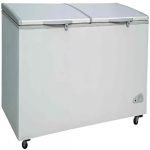
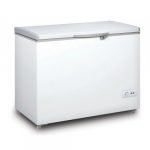
These are the classic deep freezers, built for maximum insulation and storage. Their solid lids help retain cold air, making them ideal for bulk storage in homes, restaurants, or warehouses. Hard top models are known for their durability and efficiency.
Glass Top Chest Freezers
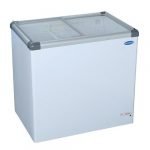
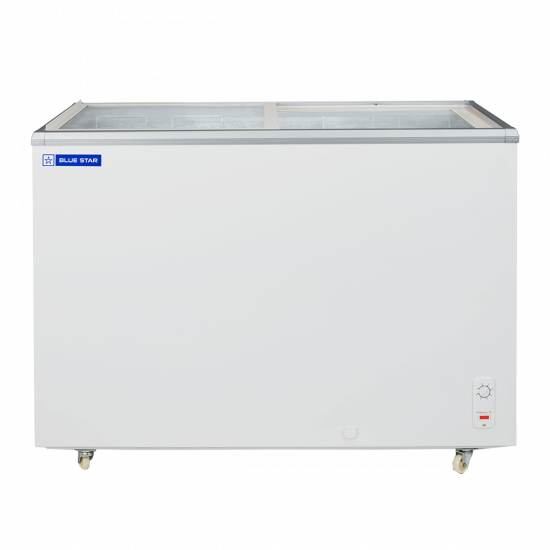
Featuring transparent sliding lids, glass top freezers are perfect for retail environments where customers need to see products—such as ice cream or frozen foods—without opening the lid. This design reduces temperature fluctuations and helps save energy.
Convertible Freezers
Modern convertible models can switch between freezer and refrigerator modes with the push of a button. This flexibility is great for users who need extra fridge space during certain seasons or want to adapt storage as needed.
Eutectic Freezers
A specialized type, eutectic freezers use a lining filled with eutectic material that freezes during operation and maintains low temperatures even during power outages. These are especially valuable in areas with unreliable electricity or for mobile applications.
Freezer on Wheels
Designed for maximum mobility, these compact freezers are mounted on tricycles or pushcarts, making them ideal for street vending or events that require frozen storage on the go.
Dual-Compartment Freezers
Some models offer two independent compartments, each with its own temperature control. This allows for simultaneous storage of different types of products—such as ice cream in one section and frozen meat in another—without risk of cross-contamination or improper storage.
Model-Specific Innovations and Brand Highlights
Deep freezers have evolved to include features that address real-world needs:
- Glass Top Innovations:
Voltas and other brands offer glass top freezers with low-emissivity glass for better insulation and product visibility, often including LED lighting and lockable lids for security.
- Tropicalized Compressors:
Many models are built to withstand high ambient temperatures, ensuring reliable performance even in hot climates. - Mobility and Customization:
Features like sturdy castor wheels, customizable baskets, and dual-temperature settings are increasingly common, making deep freezers more versatile than ever before.
Trends and Evolution in Deep Freezer Design
Deep freezers have come a long way from basic chest models. Today’s market includes:
- Smart Freezers:
Select models now offer digital controls, temperature alarms, and even IoT connectivity for remote monitoring. - Eco-Friendly Options:
Greater emphasis on energy efficiency, eco-friendly refrigerants, and recyclable materials. - Multi-Functionality:
Convertibles and dual-compartment units address the need for flexibility in both commercial and residential settings.
Practical Comparison: Glass Top vs. Hard Top Chest Freezers
Glass Top:
- Best for retail and display purposes.
- Allows quick visual checks without opening, saving energy.
- Slightly less insulated than hard tops—may not retain cold as long during extended power outages.
Hard Top:
- Superior insulation for long-term storage.
- Ideal for back-of-house, warehouse, or home use where visibility isn’t needed.
- Typically more robust and secure.
Deep Freezer Temperatures and Food Safety: What You Need to Know
When it comes to food safety, the temperature inside your deep freezer is critical. While most deep freezers are designed to operate between -18°C and -25°C, understanding why this range matters—and how to maintain it—can make all the difference in keeping your food safe and fresh.
Why -18°C Is the Standard for Food Safety
The international standard for safe frozen food storage is -18°C. At this temperature, the growth of most bacteria, molds, and pathogens is effectively halted, drastically reducing the risk of foodborne illness. Storing food below -18°C doesn’t just make it solid—it ensures that harmful microorganisms cannot multiply, preserving both safety and quality over time.
If the temperature in your deep freezer rises above -18°C, even briefly, it can allow bacteria to become active again. This increases the risk of spoilage and foodborne illness, and may also lead to freezer burn and nutrient loss. Simply freezing food isn’t enough; it must be kept consistently at or below this threshold to remain safe for long-term storage.
What Happens During Power Outages or Temperature Fluctuations?
Power outages are a reality in many regions, and even the best appliances can experience occasional fluctuations. The ability of your deep freezer to maintain low temperatures during a power cut is crucial for food safety. Generally, a well-stocked and unopened deep freezer can keep food safely frozen for 24–48 hours. If your freezer is equipped with special materials (like eutectic linings), it can maintain safe temperatures even longer.
To minimize risk during outages:
- Keep the freezer door closed as much as possible.
- Use a freezer thermometer to monitor internal temperature.
- If food has thawed and refrozen, check for signs of spoilage—such as off odors, texture changes, or excessive ice crystals. When in doubt, it’s safer to discard questionable items.
Best Practices for Safe Food Storage in Deep Freezers
Maintaining food safety isn’t just about setting the right temperature—it’s about consistent habits:
- Check the temperature regularly: Use a standalone freezer thermometer for accuracy, rather than relying solely on the control dial.
- Organize for airflow: Avoid overfilling your freezer. Leave space around items for cold air to circulate, which ensures faster freezing and more stable temperatures.
- Label and date everything: This helps you track how long items have been stored and ensures you use older food first, minimizing waste and risk.
- Don’t overload: Overstuffing can restrict airflow, causing uneven cooling and potential warm spots.
The Importance of Maintenance for Temperature Stability
Frost buildup inside your freezer can insulate the interior, making it harder for the appliance to maintain a consistent low temperature. This can lead to temperature fluctuations that put food safety at risk. Regularly defrosting and cleaning your freezer ensures optimal performance and safe storage conditions.
Leveraging Technology for Food Safety
Modern deep freezers may come equipped with temperature alarms or smart monitoring systems. These features alert you if the internal temperature rises unexpectedly, allowing you to take quick action before food safety is compromised. If your freezer doesn’t have built-in alarms, consider using an external freezer thermometer with an alert function—especially if you live in an area prone to power interruptions.
By understanding and actively managing your deep freezer’s temperature, you can ensure that your food remains safe, nutritious, and high-quality for as long as possible. These practical steps go beyond basic operation, putting you in control of food safety in your home or business.
Practical Decision-Making Framework: When to Choose a Deep Freezer vs. Refrigerator
Large families who shop in bulk or prepare meals ahead of time benefit most from a deep freezer, as it allows them to store meats, vegetables, and prepared foods for months. Small businesses, bakeries, or restaurants require deep freezers to maintain a steady inventory of perishable goods and reduce spoilage. Individuals or couples with limited storage needs, or those who prioritize daily access to fresh produce, dairy, and beverages, will find a standard refrigerator more practical. Frequent entertainers may opt for both: a deep freezer for long-term storage and a refrigerator for daily and party essentials. By mapping common lifestyles and needs to the right appliance, readers can quickly see which option best fits their situation.
Comparative Table: Deep Freezer vs. Refrigerator at a Glance
Feature Deep Freezer Refrigerator Temperature Range -18°C to -40°C 1°C to 4°C Storage Duration Long-term (months) Short-term (days to weeks) Best For Bulk storage, businesses Daily use, fresh food Energy Efficiency Often more efficient for freezing large amounts Designed for frequent access, may use more energy with frequent door openings Maintenance Occasional defrosting Regular cleaning, defrosting (if not frost-free) Space Requirements More floor space, larger Fits most kitchens, vertical Typical Use Cases Meat, vegetables, ice cream Dairy, fruits, leftovers, drinks
Real-Life Use Case Narratives
A bakery uses a deep freezer to store large batches of dough and ingredients, reducing waste and ensuring a consistent supply.
A single professional finds a refrigerator sufficient, as it holds enough for daily meals and keeps food fresh for a week.
A family with young children uses both: a deep freezer for long-term storage of meats and vegetables, and a refrigerator for milk, snacks, and fruits.
Myth-Busting Section: Common Misconceptions About Deep Freezers vs. Refrigerators
- Myth: “A refrigerator’s freezer is just as good as a deep freezer for long-term storage.”
Reality: Deep freezers run at much lower temperatures, making them far better for preserving food quality and safety over several months. - Myth: “Deep freezers always use more energy than refrigerators.”
Reality: Deep freezers are often opened less frequently and have thicker insulation, which can make them more energy-efficient for long-term storage.
Hybrid and Convertible Options: Bridging the Gap
Some appliances can switch between refrigerator and freezer modes. Convertible models offer flexibility—ideal for families whose storage needs change seasonally, or for small businesses that need to adapt their inventory space. These hybrids can be the best choice for users who want both fresh and frozen storage in a single appliance.